The Three Generations and What They Actually Cost to Own
There are three modern E-Class generations relevant to today's used market: the W211 (2003–2009), the W212 (2010–2016), and the W213 (2017–present). They exist at very different price points, have meaningfully different reliability profiles, and appeal to different buyer types. Here's the honest breakdown.
W211 E-Class (2003–2009): The High-Maintenance Option
The case for the W211: it's unambiguously beautiful, the interior quality still impresses, the M113 V8 in E500 models is a robust and naturally aspirated engine that doesn't carry balance shaft risk, and a fully serviced W211 with documented AIRMATIC restoration and known history is a genuinely excellent car. The key phrase is "fully serviced."
W212 E-Class (2010–2016): The Sweet Spot
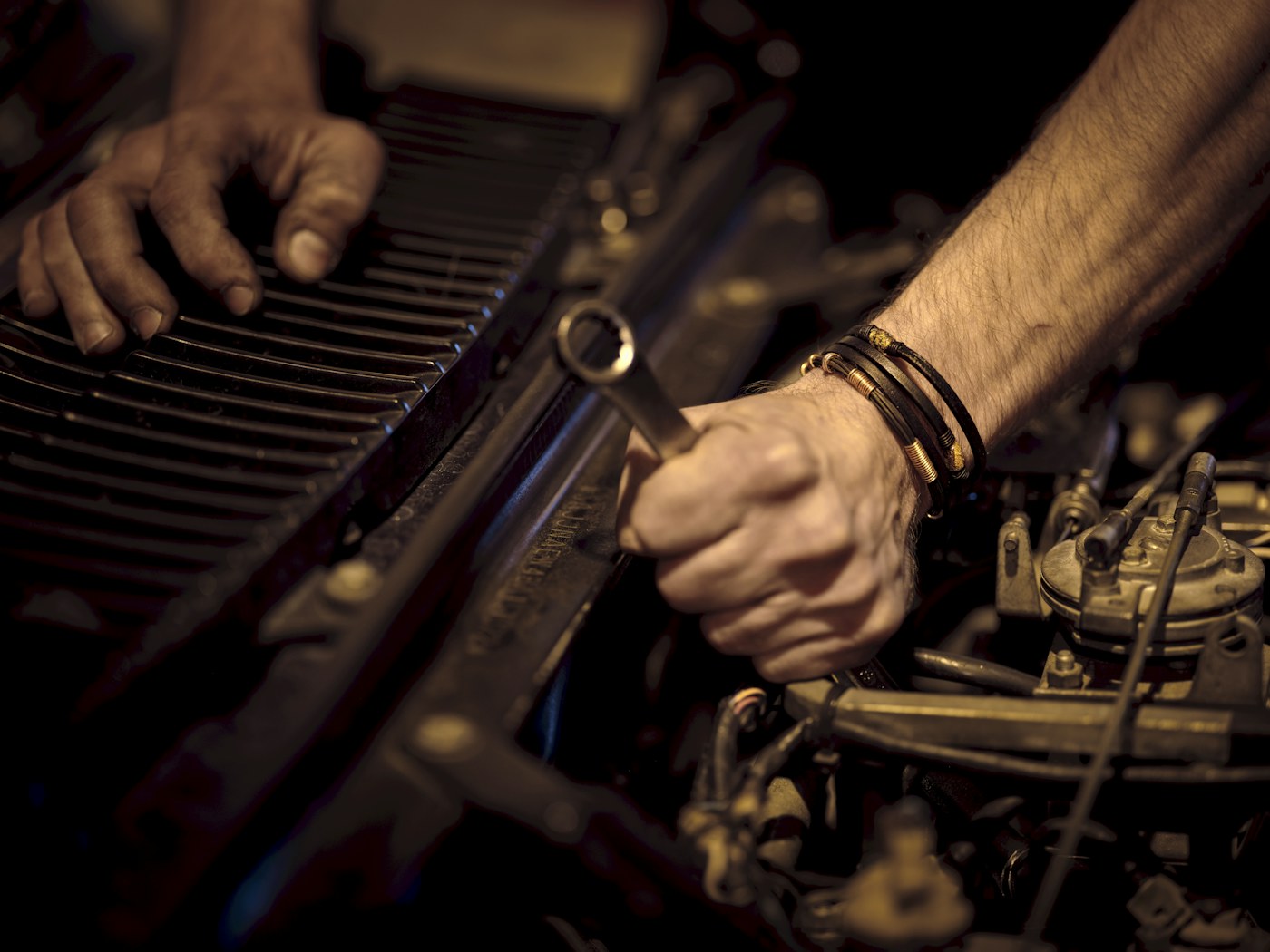
Pre-purchase XENTRY inspection — read every module before you sign.
The caveat on W212: the M276 V6 in E350 models has the balance shaft concern, particularly in pre-facelift production. This doesn't mean every W212 E350 will fail — it means every W212 E350 deserves a pre-purchase inspection that evaluates the balance shaft specifically. The W212 E550 with the M278 biturbo V8 avoids the balance shaft concern entirely and is a magnificent engine, though it demands rigorous oil service intervals.
W213 E-Class (2017–Present): The Modern Generation
The W213 represents a significant quality leap over its predecessors. The OM654 diesel and M264 four-cylinder petrol engines are Mercedes’s most refined in decades, with the 4Matic all-wheel-drive system and 9G-Tronic gearbox delivering genuinely seamless operation. Early W213s (2017–2019) have seen some MBUX system software complaints, and the 48V mild-hybrid system on the 2020+ facelift models adds complexity. Overall reliability is strong — the W213 is the generation to buy if budget allows.
What to Inspect Before Any E-Class Purchase
Regardless of generation: pull service records and confirm oil specification compliance (229.5 or 229.52 on petrol models). Check the AIRMATIC struts if equipped — sagging at one corner means a compressor or strut is failing. On W211 and W212, run XENTRY diagnostics before purchase: the balance shaft fault codes are definitive, and SAM module errors cannot be seen with generic OBD scanners. A pre-purchase inspection at a Mercedes specialist costs $150–$200 and routinely saves buyers from $2,000–$5,000 in deferred repairs.
Our Recommendation by Buyer Type
If you want the lowest entry cost and enjoy working on European cars or have a trusted shop: a W211 E500 with documented AIRMATIC restoration history is a remarkable car. If you want the best value proposition and plan to own the car for five-plus years: a 2014–2016 W212.5 E350 or E400 with clean service history and a verified M276 pre-purchase inspection. If you want the most reliable, most modern E-Class with minimal ownership drama: any W213 E300 or E450 with documented 9G-Tronic service.